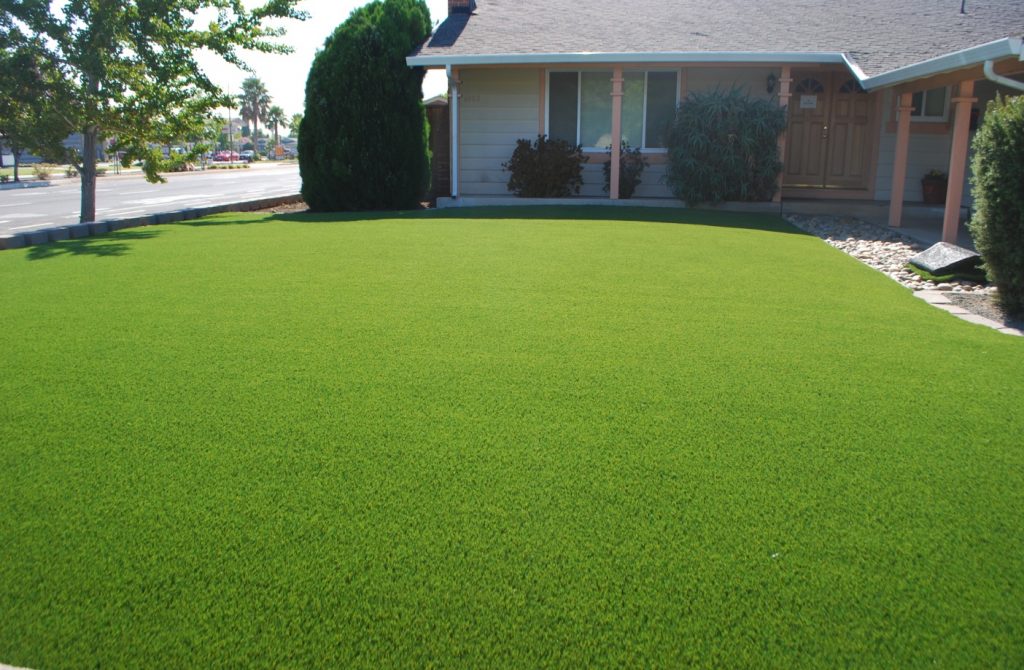
Why Artificial Grass Drains Well In National City?
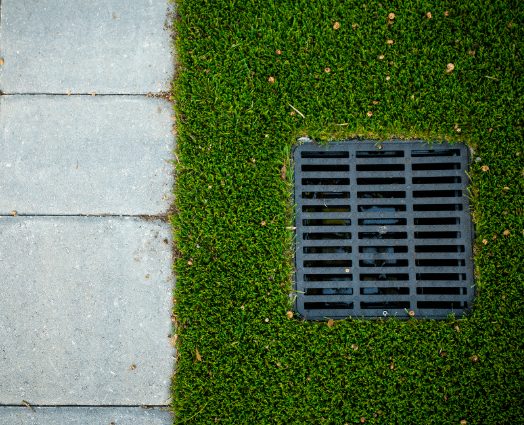 Artificial grass is becoming an increasingly popular choice for homeowners looking for a low-maintenance lawn. Not only does it require less upkeep than natural grass, but a properly installed system also drains well. Whether yours does depends on three things: the turf backing, the base underneath and the quality of the installation. Here are 5 reasons why artificial grass drains well when those are right:
- Most artificial turf systems include a drainage layer in the backing, which lets water pass through to the base beneath. With a properly prepared base, rain and other moisture can drain away rather than pooling on the surface.
- Drainage also depends on the base underneath: a compacted layer of crushed stone helps water drain and keeps the surface stable.
- During installation the ground is leveled and a base is compacted, which helps water drain rather than collecting and puddling up. This helps heavy rain drain away instead of standing on your lawn.
- Drainage performance depends on the turf backing, the base and the quality of the installation, so ask your installer how your system will handle heavy rain.
- There is no bare soil at the surface to turn to mud. Worn spots on a natural lawn become compacted soil that holds water, while turf keeps the surface covered. Keeping leaves and debris off it stops the backing from clogging.
For more on this, read about drainage system planning.
FAQ’s
Why Is Good Drainage Important For Artificial Grass?
Good drainage is important for artificial grass to ensure that it stays dry and doesn’t become waterlogged, which can lead to mold or other problems. This prevents damage to your lawn and home that could be caused by long-term standing water.
What Are The Advantages Of Artificial Grass Over Natural Grass?
Apart from drainage, there are many advantages of using artificial grass over natural grass. Artificial turf requires much less maintenance than natural grass, as it does not need mowing or fertilizers. Additionally, artificial turf is more durable than natural grass and can withstand much more wear and tear, making it great for high-traffic areas. Additionally, artificial turf does not need watering or sunlight to stay green.
How Can I Make Sure My Artificial Grass Drains Well?
Drainage is decided when the turf is installed. It starts with removing the existing grass, leveling the ground and compacting a base such as crushed stone, which helps water drain and keeps the surface stable.
Conclusion
With the right backing, a compacted base and a careful installation, artificial grass drains well and makes a practical low-maintenance lawn. For more information, contact Artificial Grass Installation Pros at (760) 316-1167.